InMode Forma Skin Tightening in Beverly Hills & Greater Los Angeles
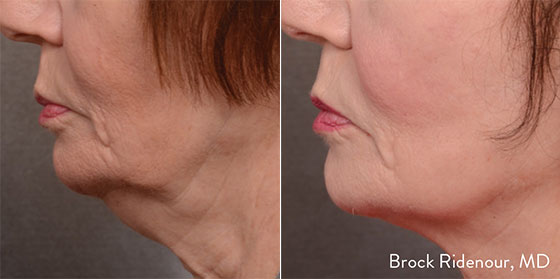
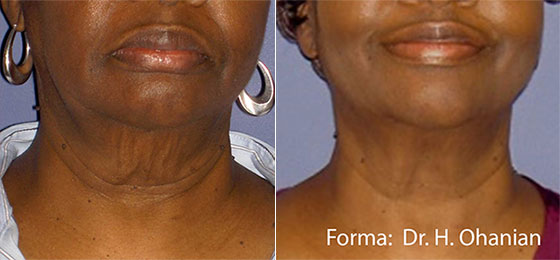
Mild skin laxity often shows up before anyone considers surgery, as a slight softening along the jawline, crepey texture around the eyes, or skin that simply looks less firm than it used to. Forma by InMode is a non-invasive radiofrequency treatment that gently heats the deeper layers of the skin to encourage new collagen, with no needles and no incisions. Patients visit the Beverly Hills office from West Hollywood, Santa Monica, Century City, Brentwood, and throughout Los Angeles for Forma treatment.
Dr. Kami Parsa’s clinical focus is revisional eyelid surgery and periocular rejuvenation, and he has lectured on The Evolution of Lower Eyelid Blepharoplasty. That surgical perspective helps him judge when mild laxity is a good fit for a gentle treatment like Forma and when surgery would serve a patient better. It also informs how Forma is used after eyelid and facial procedures to help maintain skin quality over time. He completed his ophthalmology residency at USC’s Doheny Eye Institute and his fellowship at the University of Miami’s Bascom Palmer Eye Institute.
“Forma is a maintenance treatment at heart. It will not replace surgery for real sagging, but for patients with early laxity or those protecting a surgical result, it is a gentle way to keep the skin healthy.” — Dr. Kami Parsa

What Is Forma?
Forma is an FDA-cleared radiofrequency device from InMode. It delivers bipolar radiofrequency energy through a smooth handpiece that glides over the skin, warming the dermis to a controlled temperature. That heat causes existing collagen to contract and prompts the skin to produce new collagen over the following weeks. Forma’s temperature monitoring helps keep heating even across the treatment area.
Because Forma does not break the skin surface or target pigment, it generally has little to no downtime and can be used on a wide range of skin tones. Improvements are gradual and more modest than surgery or deeper energy treatments.
What Forma Can Treat
Forma is most often used for:
- Early laxity along the jawline and lower face
- Fine lines on the forehead and around the eyes
- Crepey skin on the neck
- Skin quality maintenance after eyelid, brow, or facial surgery
Around the eyes, Forma is performed with a smaller applicator and protective eye shields. For deeper laxity or texture concerns, Morpheus8 or the Duplex® Procedure may be more effective.
Is Forma Right for You?

Forma may be a good fit for adults who:
- Have mild to moderate skin laxity or fine lines
- Want a treatment with no downtime
- Are willing to commit to a series of sessions
- Want to maintain results after eyelid or facial surgery
Forma is not appropriate if you have a pacemaker or other implanted electronic device, metal implants in the treatment area, an active skin infection or open wound, or are pregnant. Let your provider know about any recent cosmetic procedures, skin conditions, or medications before treatment.
What to Expect During Forma Treatment
Your visit begins with a consultation with Dr. Parsa or licensed members of his clinical team, who assess your skin and recommend a treatment plan. A conductive gel is applied, and the handpiece is moved over the skin until the target temperature is reached and maintained. Most patients describe a warm sensation similar to a hot stone massage, and numbing is usually not needed.
A typical session takes 20 to 45 minutes depending on the area. Mild redness and warmth are common afterward and usually fade within a few hours, so most patients return to normal activities right away. Forma is usually done as a series of sessions, often about once a week for several weeks, with occasional maintenance sessions afterward. Improvement builds gradually over the series.
Risks and When to Seek Care
Forma is generally well tolerated. The most common effects are temporary redness, warmth, and mild swelling. Less commonly, overheating can cause blistering or a burn. Contact the office promptly if you notice blistering, pain that worsens after treatment, or any change in vision after treatment near the eyes.
Why Choose Dr. Parsa for Forma in Beverly Hills
- Honest Candidacy Assessment: You will be told whether Forma is likely to meet your goals or whether a stronger treatment or surgery is the better choice.
- Post-Surgical Maintenance: Forma can be built into your care after upper eyelid, lower eyelid, or brow surgery.
- Eye-Safe Technique: Treatment around the eyes uses a smaller applicator and protective eye shields.
- Range of Energy Options: Forma, Morpheus8, Ultherapy, and laser treatments are all available, so the plan fits the depth of the concern.
- Combination Planning: Forma can be paired with injectables or skin treatments such as chemical peels for a broader plan.
Schedule a Forma Consultation in Beverly Hills
If you are noticing early laxity or want to protect the results of a past procedure, a consultation will help you decide whether Forma fits your goals. Visit the office at 465 N Roxbury Dr, Suite 1011, in Beverly Hills, or request your consultation online.
Frequently Asked Questions About Forma
Medically reviewed by Kambiz K. Parsa, M.D. on
- How many Forma treatments do I need?
- Is Forma safe for patients of color?
- Can Forma be used if I’ve had cosmetic surgery?
- Does the procedure hurt?
- Will I be able to return to work or events the same day?
Forma is usually done as a series of sessions, often about once a week for several weeks, followed by periodic maintenance. Your plan depends on your age, skin quality, and goals, and deeper concerns may be better suited to Morpheus8.
Go To TopForma does not target pigment and does not break the skin surface, so it is generally suitable for a wide range of skin tones. Your provider will still review your skin type and history before treatment.
Go To TopYes, once you have healed and your surgeon clears you. Forma is often used to help maintain skin quality after procedures such as upper eyelid blepharoplasty or brow lift.
Go To TopMost patients find Forma comfortable and describe it as a warm massage. Your provider adjusts the temperature if an area feels too hot.
Go To TopYes. Mild redness usually fades within a few hours, and most patients return to normal activities immediately.
Go To TopBefore and After