When Should You Consider Revision Eyelid Surgery?
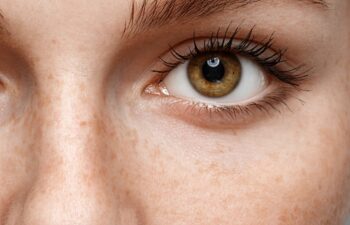
Healing after eyelid surgery can feel uneven at first. Swelling, tightness, bruising, and mild asymmetry may change as the tissues settle. But if you’re months into recovery and still worried about your eyelid shape, comfort, or ability to close your eyes, it may be time to ask whether revision eyelid surgery is worth discussing with a specialist. The American Society of Plastic Surgeons explains that eyelid surgery may involve the upper lids, lower lids, or both.
What Can Revision Eyelid Surgery Address?
Revision eyelid surgery may be considered when a previous eyelid procedure leaves cosmetic concerns, functional problems, or both. You may notice uneven eyelids, an unnatural eye shape, visible scarring, hollowing, chronic tearing, dry eyes, or eyelids that do not close fully.
These concerns need careful evaluation because eyelid surgery affects more than appearance. The eyelids protect the eyes, support normal blinking, and help maintain comfort. The American Society of Plastic Surgeons lists possible eyelid surgery risks that include dry eyes, difficulty closing the eyes, ectropion, lid lag, and possible need for revision surgery.
Why Is Revision Eyelid Surgery More Complex?
Revision eyelid surgery is often more complex than a first eyelid procedure because the tissue has already been changed. Scar tissue, altered eyelid position, skin shortage, hollowing, or previous fat removal may affect what can safely be corrected.
That’s why this type of surgery should account for both appearance and eyelid function. A review of cosmetic eyelid surgery complications discusses issues such as dry eyes, lagophthalmos, eyelid malposition, crease abnormalities, wound problems, and other concerns that may require careful management.
Dr. Kami Parsa’s Beverly Hills practice focuses on oculoplastic, reconstructive, cosmetic, and revisional surgery of the eyes and surrounding tissue. During a consultation, he reviews your prior surgical history, current anatomy, symptoms, and goals before discussing possible options.
When Should You Get a Second Opinion?
A second opinion may make sense if your concerns persist after the early healing period or affect eye comfort, closure, tearing, dryness, shape, or symmetry. Some patients also seek help when their eyelids look pulled, rounded, hollow, or noticeably different from one side to the other.
Timing matters. Some swelling and tissue tightness can take months to improve. Dr. Parsa’s revisional eyelid surgery guidelines are that most patients should wait at least six months after the original procedure before revision is planned, although readiness depends on individual healing and examination.
FAQ
Is revision eyelid surgery always necessary if I dislike my results?
No. Some changes improve as healing continues. A consultation can help determine whether your concern is still part of recovery or something revision surgery may address.
How long should I wait before considering eyelid revision?
Timing depends on your healing, tissue condition, and symptoms. Many patients may need to wait several months before revision can be planned safely.
Can revision eyelid surgery help if my eyes feel dry or won’t close fully?
It may help in some cases, but the cause matters. An oculoplastic evaluation can assess eyelid position, closure, tear symptoms, and prior surgical changes.
Talk With a Beverly Hills Revisional Eyelid Surgery Specialist
If you’re concerned about a previous eyelid surgery result, schedule a consultation with Kami Parsa, M.D. in Beverly Hills. Dr. Parsa can evaluate your eyelid function, appearance, healing, and prior surgical changes to help you understand whether revision eyelid surgery may be appropriate.
Posted on behalf of
465 N Roxbury Dr. Suite 1011
Beverly Hills, CA 90210
Phone: (310) 777 - 8880
Email: info@oculoplastic.info